
"I just had an intro assessment with Dr. Nathan Beyerl and he immediately impressed me. He took the time to really understand what was going on with my lower back and explained everything in a clear, straightforward way. The adjustment and treatment he did made an instant difference. Walked out feeling noticeably better."
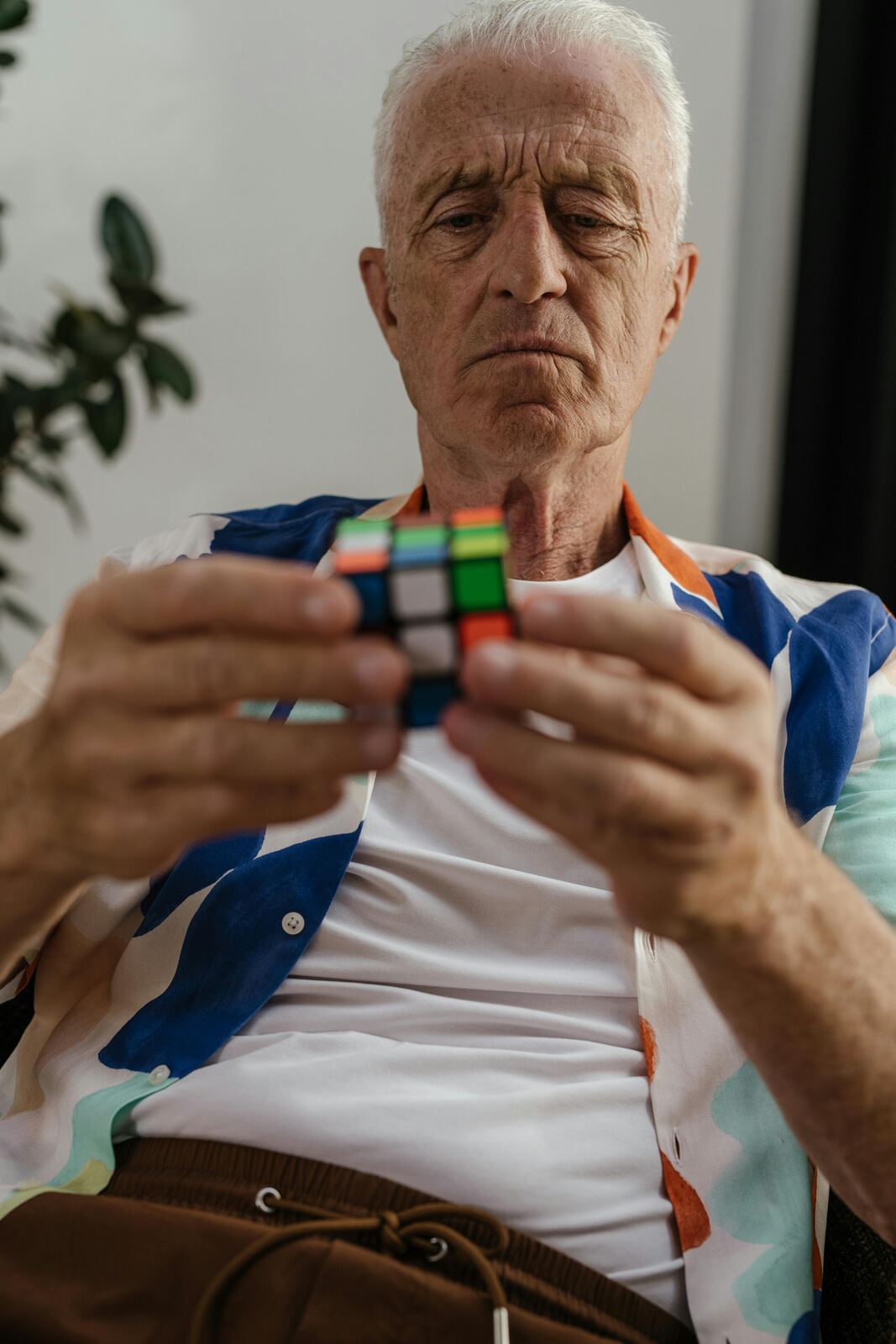
Neuro Rehabilitation Reconnecting brain
Reconnecting brain
and body.
Specialized neurological rehabilitation to improve balance, coordination, and cognitive-motor function after injury or decline.
What Is Neuro Rehabilitation?
Supporting Brain Function and Neurological Recovery
Brain injuries, concussions, and neurological conditions don't just cause physical symptoms. They disrupt coordination, cognition, balance, mood, and quality of life. Recovery requires more than rest; it demands targeted rehabilitation that addresses the nervous system's ability to adapt, heal, and restore function.
Neuro and Brain Rehabilitation at The Bridge Chiropractic is evidence-based care for adults recovering from concussions, post-concussion syndrome, vestibular disorders, and other neurological challenges. This specialized approach integrates neurological assessment, vestibular rehabilitation, sensory integration, and functional movement training to support your brain's recovery process.
Whether you're dealing with persistent headaches, dizziness, brain fog, vision problems, or balance disturbances after a concussion or injury, neuro rehab targets the root causes of dysfunction rather than masking symptoms. Care is personalized based on your specific deficits, symptoms, and recovery goals.
This isn't passive treatment. It's active, progressive rehabilitation designed to retrain your nervous system, restore confidence in movement, and help you return to work, sports, and daily activities with clarity and function. Recovery is possible with the right guidance and strategic intervention.
Benefits
Core Components of Neuro Rehabilitation
Comprehensive neurological assessment and targeted interventions.
Neurological Assessment
Detailed evaluation of cognitive function, balance, coordination, visual tracking, and vestibular function to identify specific deficits and create targeted treatment plans.
Vestibular Rehabilitation
Specialized exercises to address dizziness, vertigo, balance disturbances, and visual-vestibular dysfunction commonly seen after concussions and inner ear disorders.
Oculomotor Training
Eye movement exercises to improve visual tracking, focus, convergence, and reduce symptoms like headaches, eye strain, and difficulty reading or concentrating.
Sensory Integration
Coordinated training to restore proper communication between visual, vestibular, and proprioceptive systems for improved balance, spatial awareness, and movement confidence.
Cognitive-Motor Training
Dual-task exercises that challenge both mental processing and physical coordination to rebuild neurological resilience and functional capacity.
Graded Return Protocols
Progressive activity guidelines for safely returning to work, exercise, sports, and daily tasks while monitoring symptoms and adjusting intensity appropriately.
Our Approach
Our Neurological Rehabilitation Approach
Systematic, evidence-based recovery protocols.
1
Comprehensive Neuro Assessment
We evaluate your neurological status including cognitive function, balance testing, visual tracking, vestibular function, cervical spine involvement, and symptom patterns. This assessment identifies specific deficits and guides your personalized treatment plan.
2
Targeted Rehabilitation Interventions
Based on your assessment, we implement specific therapies including vestibular exercises, oculomotor training, cervical spine treatment, balance training, and sensory integration work. Each intervention is dosed carefully to challenge your system without exacerbating symptoms.
3
Progressive Activity Integration
As your nervous system adapts, we gradually increase complexity and intensity through cognitive-motor tasks, dynamic balance challenges, and functional movement patterns that prepare you for real-world demands.
4
Monitoring and Optimization
Recovery isn't linear. We continuously reassess your symptoms, functional capacity, and neurological markers, adjusting your program based on how your brain responds. This ensures steady progress while preventing setbacks or symptom flare-ups.
Common Questions
Neuro Rehabilitation FAQs
What conditions benefit from neuro rehabilitation?
Neuro rehabilitation is effective for concussions, post-concussion syndrome, vestibular disorders (vertigo, BPPV), visual-vestibular dysfunction, cervicogenic dizziness, balance deficits, coordination problems, persistent headaches after brain injury, and other neurological conditions affecting movement, cognition, or sensory integration.
How long does concussion recovery take with neuro rehab?
Recovery timelines vary based on injury severity, symptom complexity, and individual factors. Most people with acute concussions see significant improvement within 4-8 weeks with targeted rehab. Post-concussion syndrome (symptoms lasting beyond 3 months) typically requires more intensive, longer-term intervention. We monitor progress closely and adjust treatment based on your response.
Can neuro rehab help if my concussion was months or years ago?
Yes. Even if symptoms have persisted for months or years, targeted neurological rehabilitation can still improve function. The nervous system retains plasticity and can adapt with the right interventions. We've successfully treated individuals with post-concussion syndrome lasting years by addressing vestibular, visual, cervical, and cognitive deficits that were never properly identified or treated.
What happens during a neuro rehab assessment?
Your assessment includes detailed symptom history, cognitive screening, balance testing (static and dynamic), visual tracking and oculomotor evaluation, vestibular function tests, cervical spine examination, and functional movement assessment. This comprehensive evaluation identifies specific neurological deficits and guides your personalized treatment plan. The assessment typically takes 45-60 minutes.
Will neuro rehab exercises make my symptoms worse?
Properly dosed rehabilitation should challenge your system without causing significant symptom exacerbation. Mild, temporary symptom increase during exercises is sometimes expected and indicates we're targeting the right systems. However, exercises are carefully progressed to avoid setbacks. We monitor your response closely and adjust intensity, frequency, and complexity based on how your nervous system tolerates each intervention.
Do you work with athletes returning to sport after concussion?
Yes. We implement evidence-based return-to-sport protocols that progressively increase physical and cognitive demands while monitoring symptoms. This includes graded aerobic exercise, sport-specific movement patterns, dual-task training, and coordination drills. Athletes are cleared for full participation only when they can handle game-intensity demands without symptom return, reducing re-injury risk.
Testimonials
What Our Patients Say
"I can't say enough good things about Dr. Nathan at Bridge Chiropractic. He is absolutely incredible and truly gifted at what he does. I came to him with a level 2 MCL injury, and thanks to his expertise, care, and guidance, I'm now able to function and go about my daily activities with ease."
"I've seen many different chiropractors over the years, but my first consultation with Nate at Bridge Chiropractic gave me more relief than I've experienced in the last six months combined. Beyond that, he took the time to uncover and explain root issues that no one had ever addressed before."
Ready to Support Your Recovery?
Let's work together to restore function, reduce symptoms, and help you return to the activities that matter most.